Vietnamese Culture Day 24/11 In Hoi An: Unique Things To Explore
Vietnamese Culture Day 24/11 is a meaningful time to discover Hoi An beyond its famous lantern streets. This guide explores the living heritage behind the UNESCO Ancient Town, from historic houses and folk performances to traditional craft villages, countryside traditions, and local communities. Discover how Hoi An’s culture continues through artisans, families, and everyday life, then find a slower place to stay with Heron House’s countryside and beach villas.
Hoi An’s culture is not only found in its ancient houses or historic streets. It continues through the artisans who preserve traditional skills, the performers who share folk stories, and the communities who keep everyday traditions alive.
Around Vietnamese Culture Day 24/11, this guide takes you beyond the usual sights to discover the heritage experiences that reveal a deeper side of Hoi An. From UNESCO-listed streets and merchant houses to craft villages, countryside traditions, and local celebrations, you will find meaningful ways to understand the culture that continues to shape this riverside town.
What Is Vietnamese Culture Day 24/11 And Why Experience It In Hoi An?
In 2026, Vietnamese Culture Day on 24 November offers a meaningful moment to discover the traditions that continue beyond Hoi An’s famous lantern streets. Following Vietnamese Cultural Heritage Day on 23 November, this period invites travellers to look closer at the stories, skills, and communities that shape Vietnam’s cultural identity.
Hoi An is a special place to experience this because heritage here is still part of everyday life. Beyond the UNESCO-listed Ancient Town, you can discover the people and traditions behind the destination through:
Historic streets and merchant houses: Walk through Hoi An Ancient Town and see how old buildings, family businesses, and local traditions continue together.
Living performances and folk traditions: Experience Bài Chòi, where music, storytelling, and community participation keep Central Vietnamese culture alive.
Traditional craft villages: Visit Thanh Ha Pottery Village and Kim Bong Carpentry Village to understand the skills passed between generations.
Countryside culture and local food traditions: Explore Tra Que Vegetable Village and the rice fields around Hoi An, where farming continues to shape local life.
Around Vietnamese Culture Day 24/11/2026, Hoi An offers more than places to visit. It gives you time to understand the stories behind them, from an artisan’s hands to a quiet village path.
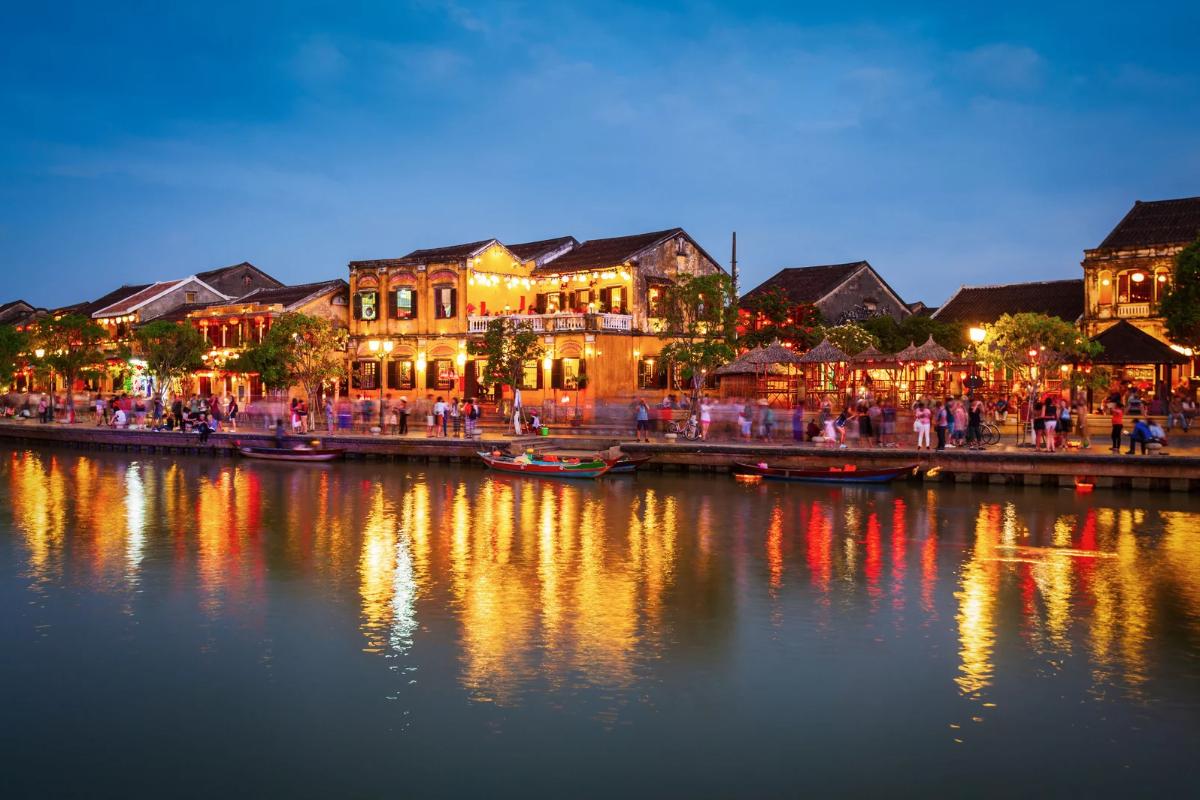
1. Walk Through Hoi An Ancient Town: A UNESCO Heritage Story Still Alive Today
Why It Is Worth Visiting: Discover how a former riverside trading port became a UNESCO World Heritage Site where historic buildings and everyday life continue together.
Unique Cultural Experience: Walk through streets shaped by centuries of cultural exchange, where merchant houses, local businesses, and traditional practices remain part of daily life.
Best Time To Visit: Early morning for quieter streets and a closer look at local routines, or late afternoon when lanterns begin to transform the Old Town atmosphere.
Hoi An Ancient Town is where the character of the city begins. Beyond its familiar yellow walls and lantern-lit streets, the Old Town reflects centuries of exchange along the Thu Bon River. Between the 15th and 19th centuries, merchants arrived from different regions, bringing goods, beliefs, and traditions that shaped the architecture, cuisine, and everyday rhythms that continue to define Hoi An today.
Walking through the Old Town, you begin to notice that heritage here is still part of daily life. Historic wooden houses remain active spaces, families continue businesses inside old buildings, and local traditions are passed naturally between generations. The charm of Hoi An comes not only from what has been preserved, but from the people who continue to live alongside it.
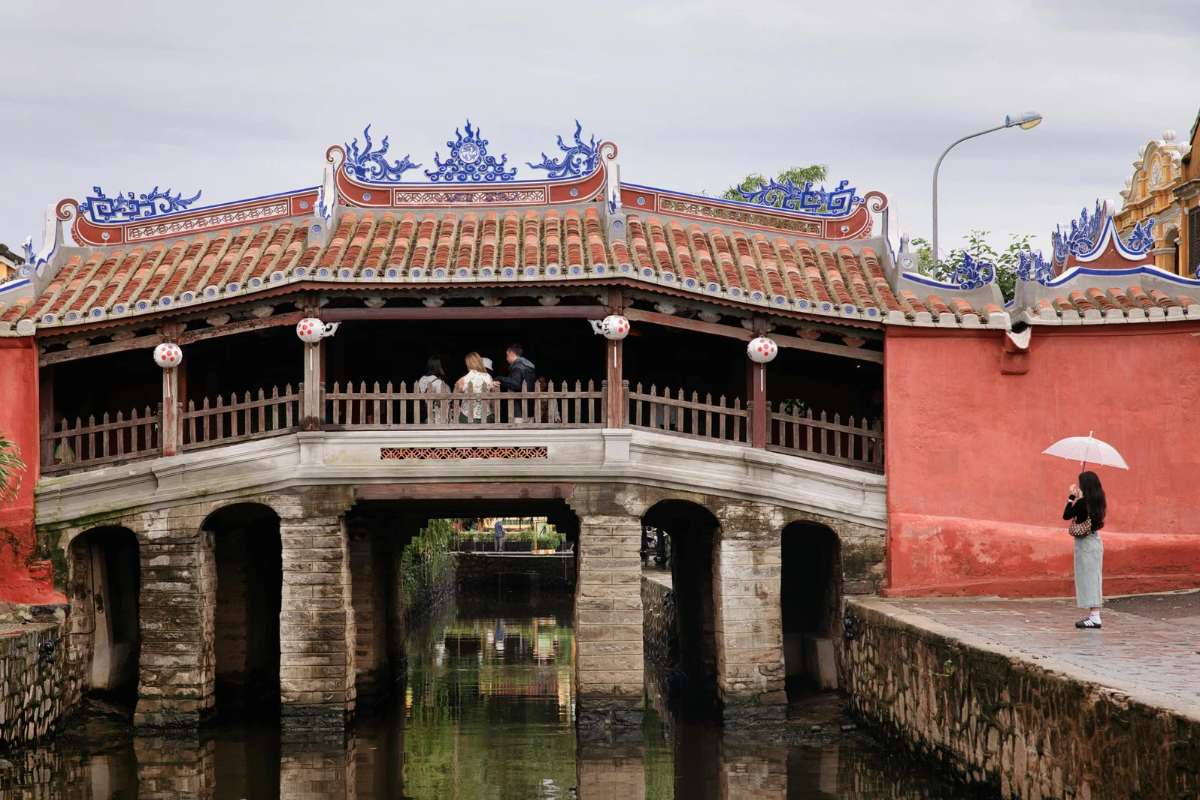
2. Discover The Japanese Covered Bridge: A Symbol Of Hoi An’s Cultural Connections
Why It Is Worth Visiting: Discover one of Hoi An’s most recognisable landmarks and the story of cultural exchange that shaped the former trading port.
Unique Cultural Experience: Look beyond the famous photo spot and understand how the bridge reflects the connection between Japanese, Chinese, and Vietnamese communities.
Best Time To Visit: Early morning for a quieter atmosphere, or late afternoon when the surrounding streets begin to glow with lantern light.
The Japanese Covered Bridge is one of Hoi An’s most familiar landmarks, but its meaning goes beyond its appearance. Built during the period when Japanese merchants lived and traded in the town, the bridge reflects the international connections that helped shape Hoi An as a riverside trading port.
Standing here, you can see how different cultures became part of one shared identity. The bridge connects more than two sides of a street; it represents the movement of people, traditions, and ideas that travelled through Hoi An centuries ago. Around Vietnamese Culture Day 24/11, visiting places like Chùa Cầu offers a chance to understand how heritage is created through cultural exchange and preserved through generations.
3. Step Inside Tan Ky Ancient House: A Merchant Story Preserved Through Generations
Why It Is Worth Visiting: Discover how merchant families lived, worked, and built their lives inside Hoi An’s traditional houses.
Unique Cultural Experience: Explore a historic home where architecture, family traditions, and daily routines reveal the personal side of Hoi An’s heritage.
Best Time To Visit: Morning when the Old Town feels quieter, or afternoon when you can combine the visit with nearby heritage sites.
Tan Ky Ancient House offers a more personal view of Hoi An’s history. While the streets show the appearance of the old trading port, stepping inside this merchant house allows you to imagine the lives that unfolded behind its wooden doors. Built more than two centuries ago, the house reflects the influence of Vietnamese, Chinese, and Japanese architectural styles that developed through Hoi An’s trading connections.
Inside, details such as wooden beams, courtyards, and carefully arranged spaces reveal how families balanced business, worship, and everyday life under one roof. Around Vietnamese Culture Day 24/11, places like Tan Ky Ancient House help you see that heritage is not only about preserving buildings. It is about remembering the people, routines, and traditions that gave those spaces meaning.
4. Experience Bài Chòi: Hoi An’s Living Folk Heritage Through Music And Storytelling
Why It Is Worth Visiting: Experience a Central Vietnamese folk tradition where music, storytelling, and community participation come together.
Unique Cultural Experience: Join a shared cultural moment where Bài Chòi keeps local stories and traditional performance alive through interaction.
Best Time To Visit: Evening when performances create a more atmospheric experience around the Old Town.
Bài Chòi is one of Hoi An’s clearest examples of living culture. Unlike traditions preserved only through exhibitions, this folk performance continues because people still gather to listen, sing, play, and participate. Combining music, poetry, storytelling, and games, Bài Chòi reflects the creativity and community spirit of Central Vietnam.
Experiencing Bài Chòi around Vietnamese Culture Day 24/11 allows you to see culture as something shared rather than displayed. The voices of performers, the reactions of audiences, and the connection between generations are what keep this tradition meaningful. After exploring Hoi An’s historic streets, an evening Bài Chòi performance offers another way to understand the people behind the heritage.
5. Visit Hoi An Museum Of Folk Culture: Discover The Traditions Behind Everyday Life
Why It Is Worth Visiting: Discover the customs, crafts, and everyday stories that reveal the people behind Hoi An’s famous heritage streets.
Unique Cultural Experience: Explore traditional costumes, folk performances, handicrafts, and objects that show how local communities lived through generations.
Best Time To Visit: Morning for a slower Old Town walk, or during hot and rainy periods when an indoor cultural experience feels more comfortable.
Hoi An Museum of Folk Culture offers a quieter way to understand the town beyond its preserved buildings. While the Ancient Town introduces you to historic streets and merchant houses, the museum reveals the traditions behind them through folk arts, occupations, crafts, and local customs passed between generations.
Around Vietnamese Culture Day 24/11, this museum helps you see that culture is not only found in architecture. It continues through the skills people practise, the celebrations communities share, and the knowledge carried within families. After exploring the exhibits, you may notice more details as you walk through Hoi An’s streets and villages.
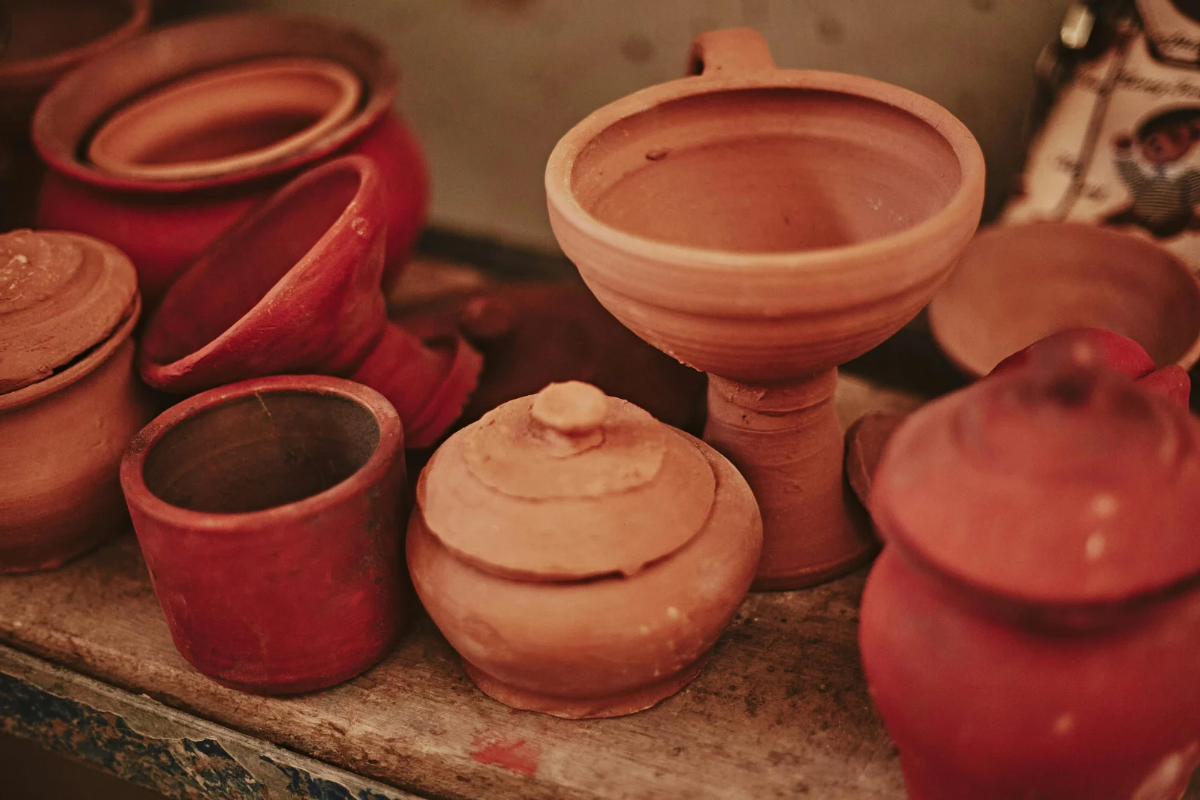
6. Explore Thanh Ha Pottery Village: A Craft Tradition Shaped By The Thu Bon River
Why It Is Worth Visiting: Discover one of Hoi An’s oldest craft villages and the artisans who continue a pottery tradition connected to the town’s trading history.
Unique Cultural Experience: Watch local craftsmen shape clay by hand and discover the skills passed through generations.
Best Time To Visit: Morning when workshops are active, or afternoon for a quieter countryside visit.
Leaving the Old Town behind, Thanh Ha Pottery Village reveals another side of Hoi An’s heritage. For centuries, pottery making has been part of the village’s identity, creating everyday objects that supported life in the former trading port. The craft grew alongside Hoi An’s development, showing the close connection between local skills and commerce.
The experience here is not only about seeing pottery being made. It is about understanding the patience behind each piece and the knowledge carried by artisans who continue the tradition today. Around Vietnamese Culture Day 24/11, Thanh Ha offers a chance to appreciate the people who keep local craftsmanship alive.
7. Discover Kim Bong Carpentry Village: The Hands Behind Hoi An’s Wooden Heritage
Why It Is Worth Visiting: Learn how traditional woodworking skills contributed to the wooden houses, boats, and structures that shaped Hoi An’s heritage.
Unique Cultural Experience: Meet local craftsmen and discover the techniques behind handmade woodwork passed through generations.
Best Time To Visit: Morning when workshops are active, or late afternoon when the island feels slower and more local.
Across the river from Hoi An Ancient Town, Kim Bong Carpentry Village offers a closer look at the craftsmanship behind the town’s wooden character. For generations, local carpenters have created furniture, boats, and architectural details using skills developed through years of practice.
The journey to Kim Bong also changes the pace of your Hoi An experience. Away from the busy streets, the island reveals quieter roads, workshops, and everyday scenes connected to local life. Around Vietnamese Culture Day 24/11, visiting Kim Bong helps you understand that heritage is shaped not only by historic places, but by the people whose hands continue to create them.
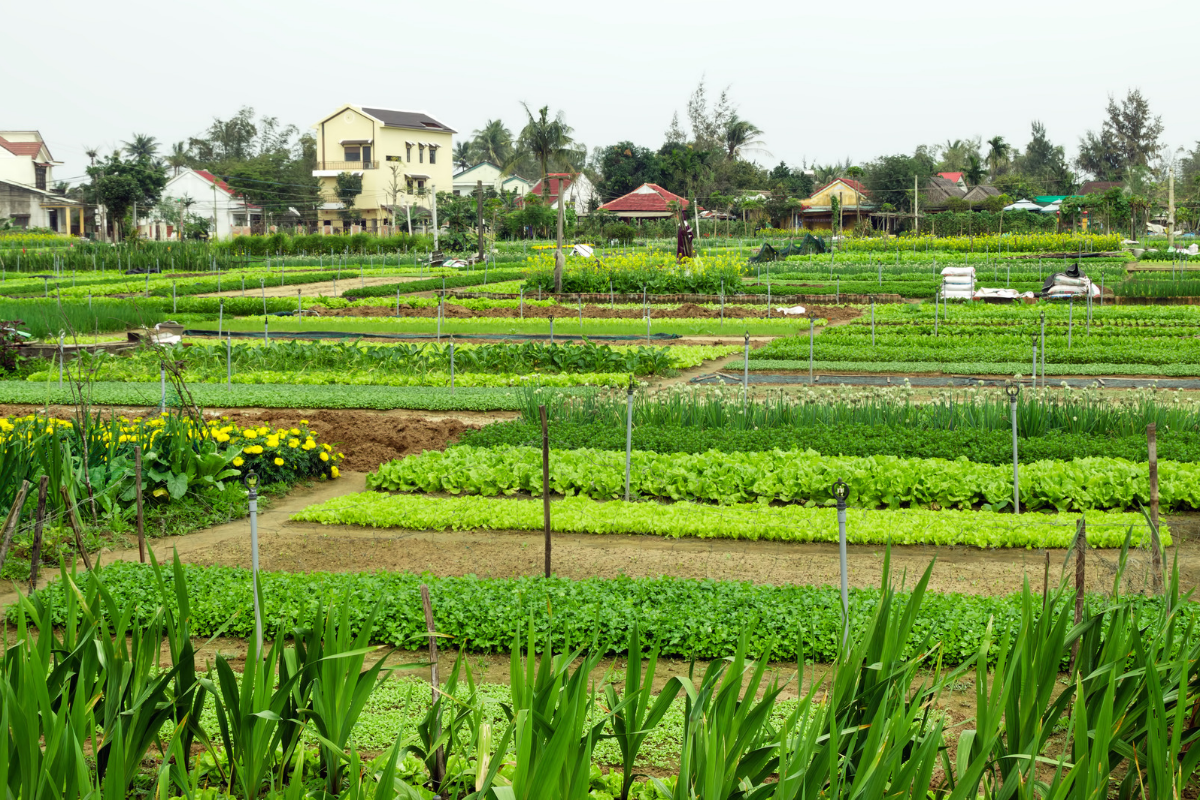
8. Visit Tra Que Vegetable Village: Discover The Farming Traditions Behind Hoi An Cuisine
Why It Is Worth Visiting: Discover how traditional farming practices continue to influence Hoi An’s food culture and everyday life.
Unique Cultural Experience: See the connection between local ingredients, farming knowledge, and the countryside traditions behind Hoi An cuisine.
Best Time To Visit: Early morning when farmers begin their work, or late afternoon when the gardens become quieter.
Beyond the historic streets, Hoi An’s culture continues in the fields surrounding the town. Tra Que Vegetable Village offers a glimpse into the farming traditions behind local cuisine, where generations of farmers have cultivated herbs and vegetables used in regional dishes.
A visit to Tra Que is about noticing a different rhythm of life. Walking between gardens and seeing farmers care for the land reveals the connection between food, nature, and community. Around Vietnamese Culture Day 24/11, Tra Que shows that heritage also lives in landscapes, farming practices, and everyday routines.
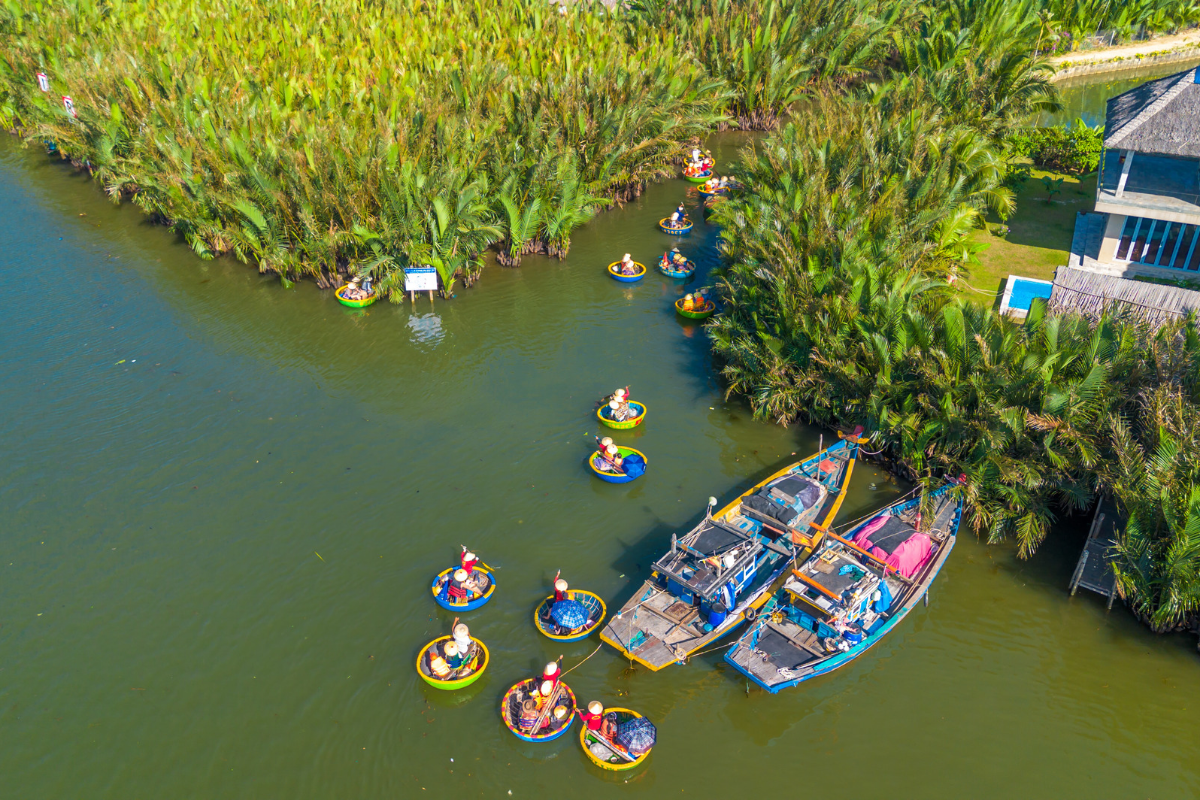
9. Experience Cam Thanh Basket Boat Village: Discover Hoi An’s River Life And Local Traditions
Why It Is Worth Visiting: Discover how local communities have lived alongside Hoi An’s waterways through fishing traditions and river-based livelihoods.
Unique Cultural Experience: Take a traditional basket boat ride through the water coconut forest while learning about local knowledge connected to the river.
Best Time To Visit: Early morning when the waterways are calmer, or late afternoon for a more peaceful countryside atmosphere.
Cam Thanh offers a different perspective of Hoi An’s heritage, shaped not by merchant houses but by the relationship between people and water. For generations, local communities have relied on the surrounding waterways for fishing, transport, and daily life. The traditional basket boat remains a symbol of this connection.
The experience becomes more meaningful when you look beyond the boat ride itself. The water coconut forest, river landscape, and local practices reveal how nature and community life have developed together. Around Vietnamese Culture Day 24/11, Cam Thanh offers another way to understand Hoi An’s living culture through traditions that continue outside the Old Town.
10. Experience Hoi An Lantern Festival: A Night Tradition Still Glowing Today
Why It Is Worth Visiting: Experience one of Hoi An’s most recognised traditions and discover the stories behind its famous lantern-lit evenings.
Unique Cultural Experience: Walk through the Old Town after dark as lantern craftsmanship, local traditions, and community celebrations come together.
Best Time To Visit: From sunset onwards, especially during the monthly full moon celebration.
When evening arrives in Hoi An, the town changes pace. Lanterns begin to replace electric lights, the Thu Bon River reflects their glow, and the streets take on a quieter atmosphere. The Hoi An Lantern Festival is not only a beautiful scene but a tradition connected to craftsmanship, community, and local identity.
The lanterns themselves carry generations of skill, with artisans continuing techniques passed through families. Around Vietnamese Culture Day 24/11, experiencing theHoi An Lantern Festival allows you to see how traditions remain meaningful because people continue to participate in them. It is an evening shaped by light, stories, and the slower rhythm that makes Hoi An special.
A Quiet Place To Return To After Exploring Hoi An’s Culture
After discovering Hoi An’s heritage streets, traditional villages, and local stories, the place you return to becomes part of the journey. A slower stay gives you time to enjoy peaceful countryside mornings, open rice field views, and relaxed evenings after exploring the town.
At Heron House, you can choose a villa experience that matches the way you want to experience Hoi An:
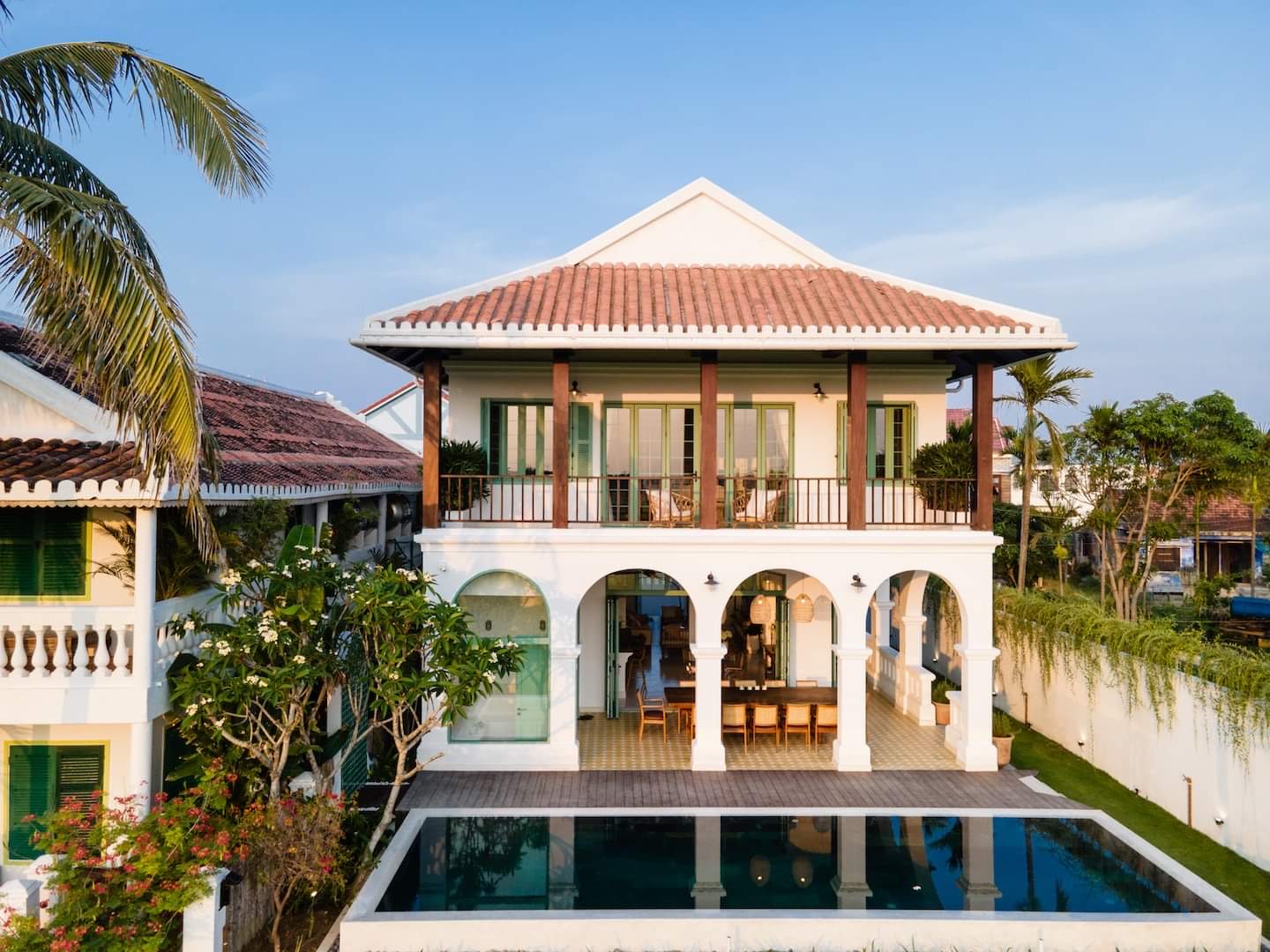
Heron House: A private countryside villa in Hoi An for up to 6 guests, surrounded by rice fields with spacious rooms, private terraces, and a peaceful setting for families, couples, and small groups.
Villa Iliou: A luxury design villa in Hoi An for up to 8 guests, created for gathering with generous living spaces, a private pool, and thoughtful details for families and friends travelling together.
Jasmine Garden: A private beach house in Hoi An for up to 4 guests, offering a relaxed coastal stay near An Bang Beach with easy access to cafés, restaurants, and the sea.
Whichever setting suits your trip, your stay can become a quieter extension of your Hoi An experience from slow mornings among the rice fields to thoughtful comforts such as in-villa dining in Hoi An after a day of exploring.
Vietnamese Culture Day 24/11 is an occasion to recognise Vietnam’s cultural traditions, heritage, and creative practices. In Hoi An, it is a meaningful time to discover living culture through historic streets, craft villages, folk performances, and local communities.
Hoi An is recognised as a UNESCO World Heritage Site because of its well-preserved trading port history and cultural exchange. Today, its heritage continues through traditional crafts, local food, festivals, and everyday community life.
Some of the most meaningful cultural experiences in Hoi An include walking through Hoi An Ancient Town and historic merchant houses, experiencing Bài Chòi folk performances, visiting Thanh Ha Pottery Village and Kim Bong Carpentry Village, exploring Tra Que Vegetable Village, and joining the Hoi An Lantern Festival in the evening.
For a slower cultural journey, many travellers choose a stay that connects the countryside with the heritage areas. Heron House offers a countryside villa experience surrounded by rice fields, Villa Iliou provides a spacious design-led villa for families and groups, and Jasmine Garden offers a relaxed beach house experience near An Bang Beach.